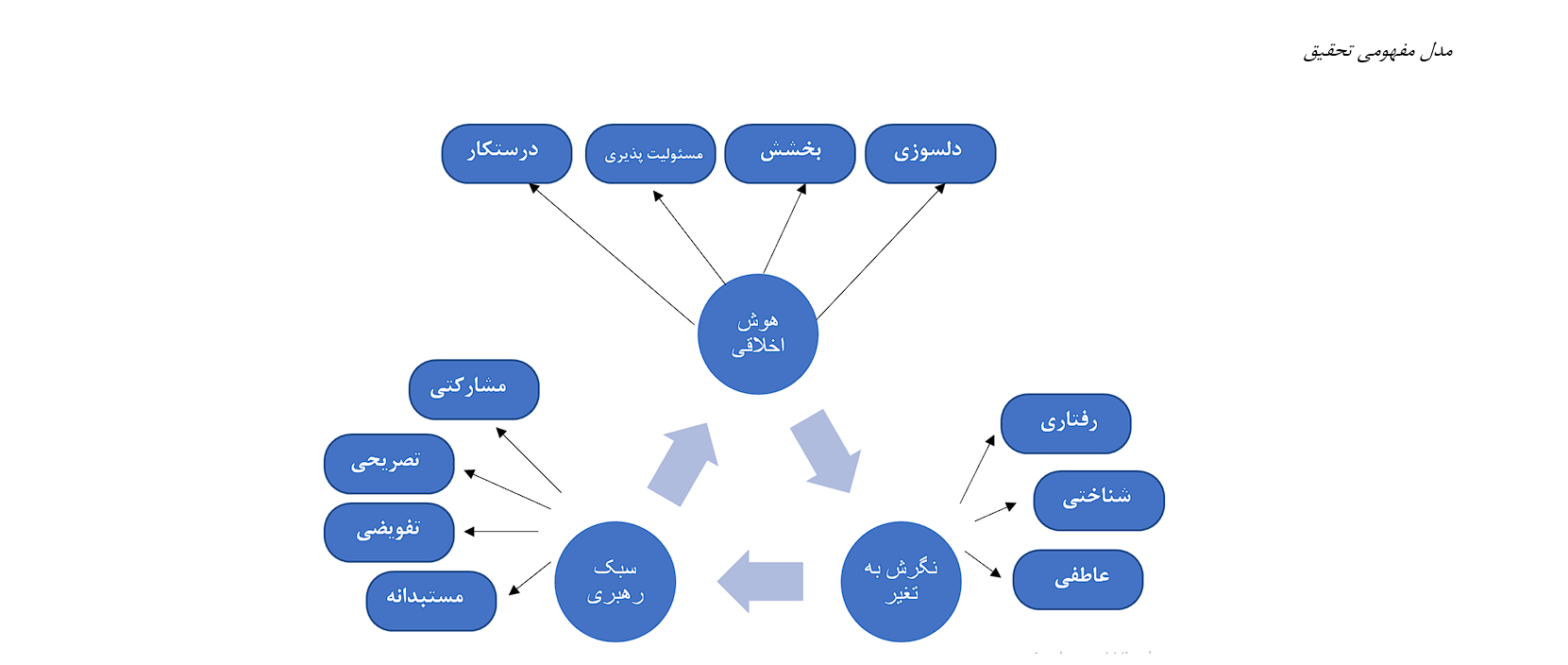
















Presenting a Model of Leadership Style and Attitude Toward Change with the Mediating Role of Moral Intelligence among Football Coaches in Iraq
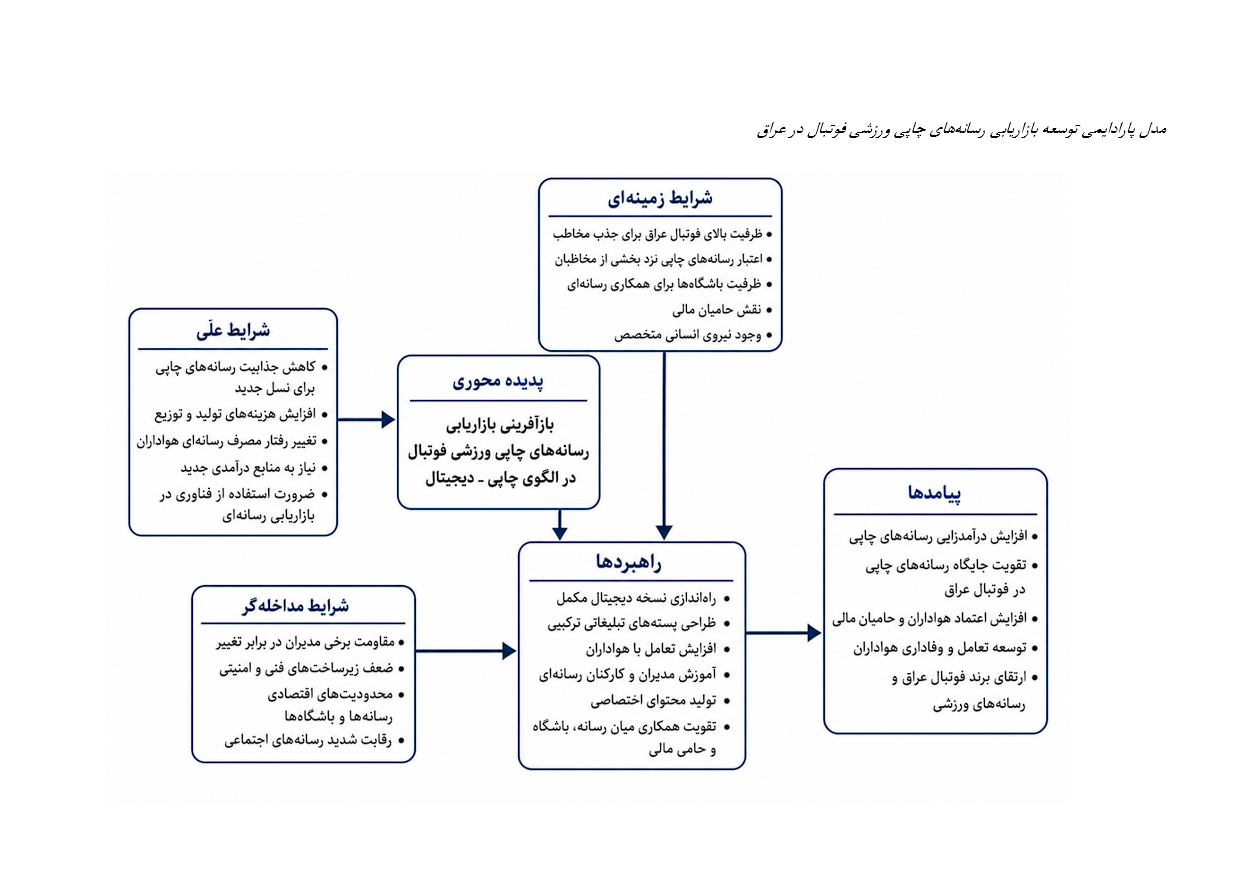
The purpose of the present study was to present a model of the relationship between leadership style and attitude toward change with the mediating role of moral intelligence among football coaches in Iraq. In terms of purpose, this research was applied, and in terms of method, it was descriptive-correlational. The study was conducted through a survey approach and structural equation modeling. The statistical population consisted of football coaches in Iraq and relevant members of the football coaches’ assembly, totaling 336 individuals. Based on the Krejcie and Morgan table, 179 participants were selected using simple random sampling. Data were collected using a leadership style questionnaire based on the situational leadership framework of Hersey, Blanchard, and Natemeyer, an attitude toward change questionnaire, and a moral intelligence questionnaire. Instrument validity was examined through content, convergent, and discriminant validity, and reliability was assessed using Cronbach’s alpha and composite reliability. Data were analyzed using SPSS and Smart PLS. The findings showed that leadership style was positively and significantly associated with moral intelligence among football coaches in Iraq. Moreover, moral intelligence was positively and significantly associated with attitude toward change. Mediation analysis confirmed the mediating role of moral intelligence in the relationship between leadership style and attitude toward change. Model fit indices, including the GOF value of 0.660, indicated a desirable fit. Therefore, strengthening effective leadership styles along with enhancing moral intelligence may be associated with a more positive attitude toward change among football coaches.
The Effect of Family-Centered Psychotherapy Interventions on Improving Mental Learning Performance of Children with Mental Disorders Hospitalized in Hospital
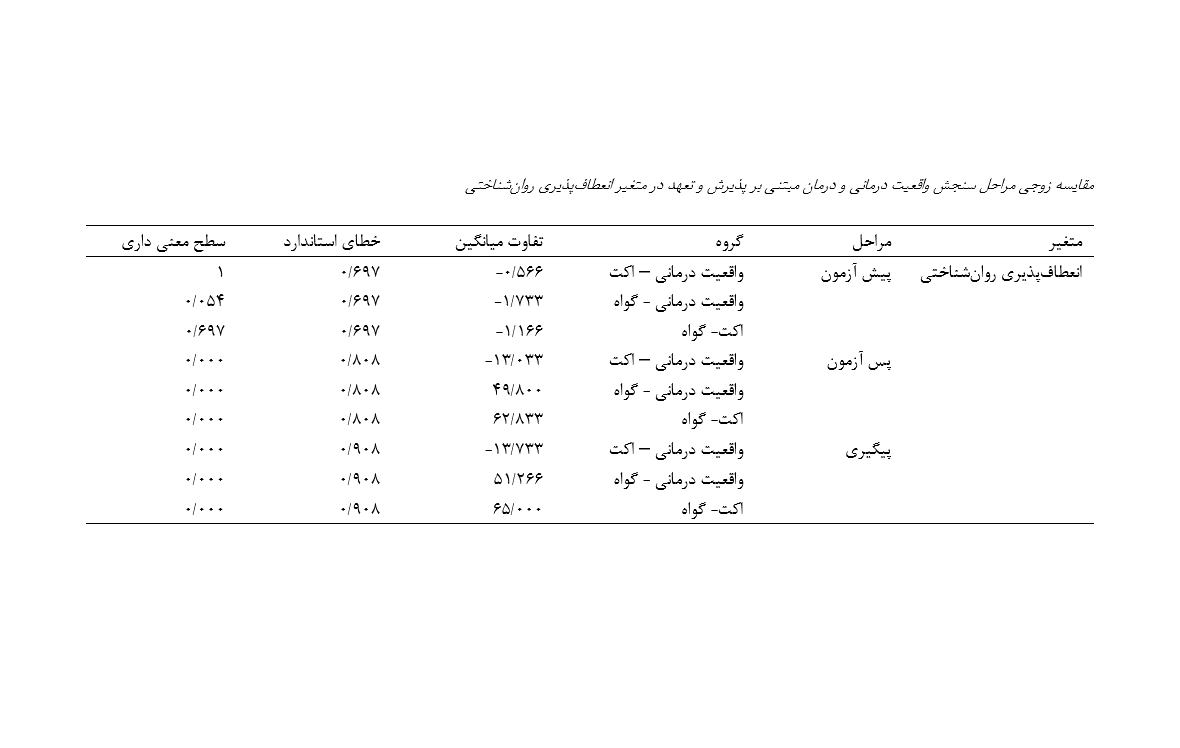
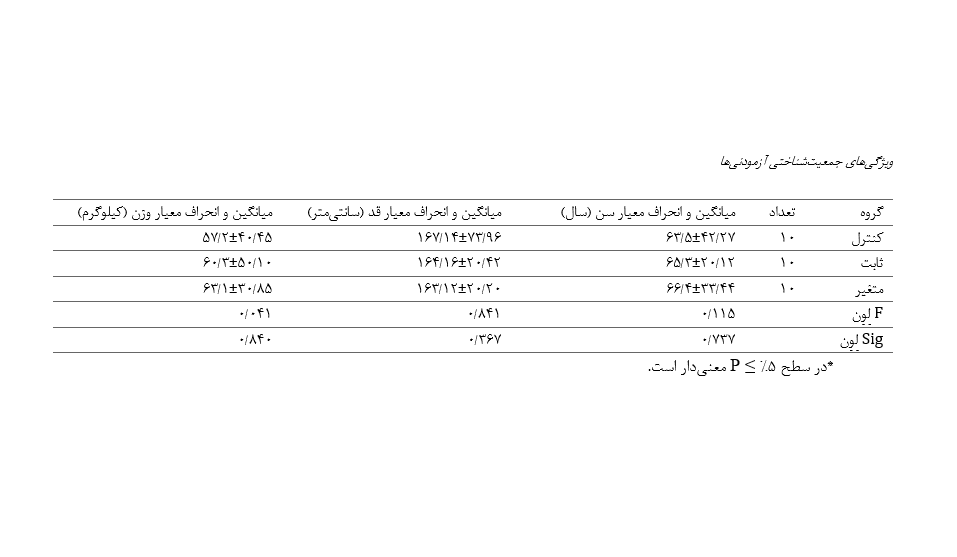
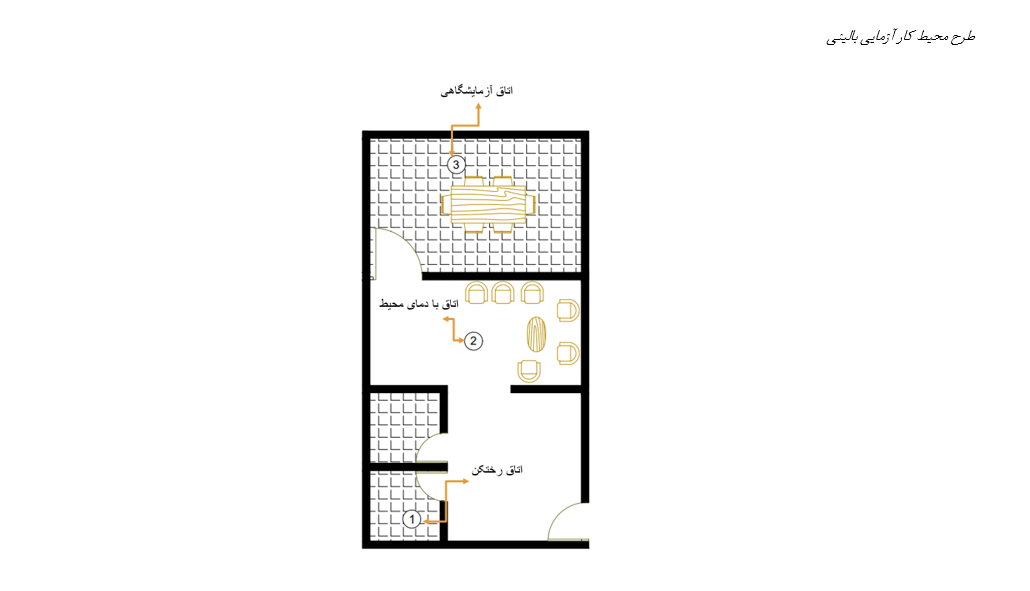
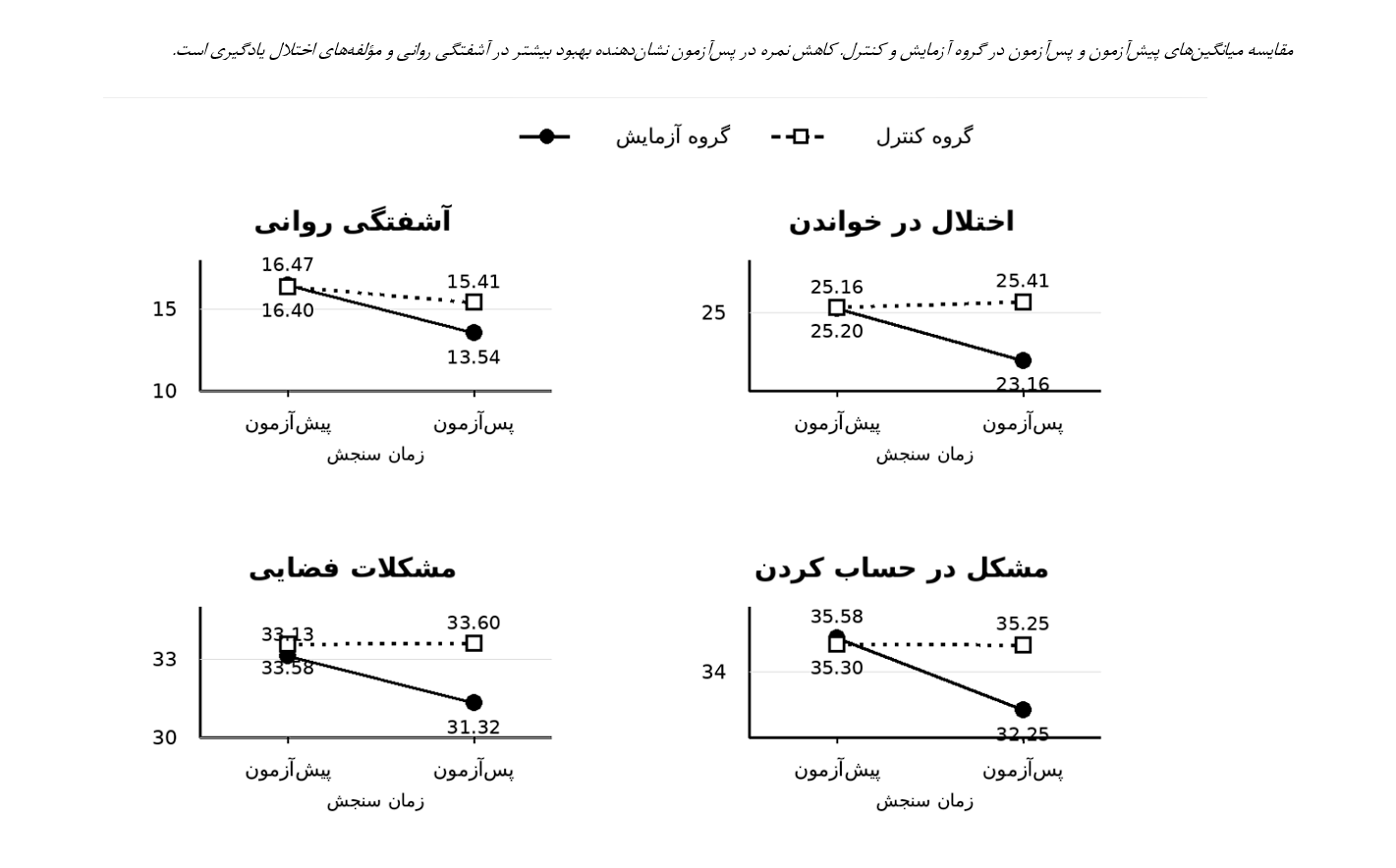
The aim of the present study was to investigate the effect of family-centered psychotherapy interventions on improving mental learning performance and reducing psychological distress in children with mental disorders hospitalized in hospital. The research method was quasi-experimental with a pretest-posttest design and a control group. The statistical population included children under 10 years of age with learning disorders and psychological distress who were hospitalized in public hospitals in Tehran in the year 2025 (1404 Persian calendar). Among the screened individuals, 30 children meeting the inclusion criteria were selected and randomly assigned into two groups: experimental and control, with 15 children in each group. The experimental group participated in an eight-session family-centered psychotherapy program (each session lasting 45 minutes), while the control group received no intervention. Research instruments included the Colorado Learning Difficulties Questionnaire and the Impact of Event Scale-Revised. Data were analyzed using descriptive statistics and univariate analysis of covariance (ANCOVA). The results showed that after controlling for the pretest effect, the family-centered intervention had a significant effect on reducing psychological distress (F = 53.63, p < 0.001, η² = 0.98). Additionally, the intervention had a significant effect on reducing reading disorder (F = 10.82, p < 0.001, η² = 0.29). Regarding the component of spatial problems, a significant difference was also reported between the two groups (F = 16.64, p < 0.001, η² = 0.38). Furthermore, the intervention had a significant effect on reducing arithmetic problems (F = 17.78, p < 0.001, η² = 0.39). Based on the findings, family-centered psychotherapy can be used as a complementary approach to reduce psychological distress and improve certain components of mental learning in hospitalized children.
Analyzing Coaches' Behaviors in the Link Between Motivational Climate and Performance Satisfaction Among Table Tennis Athletes
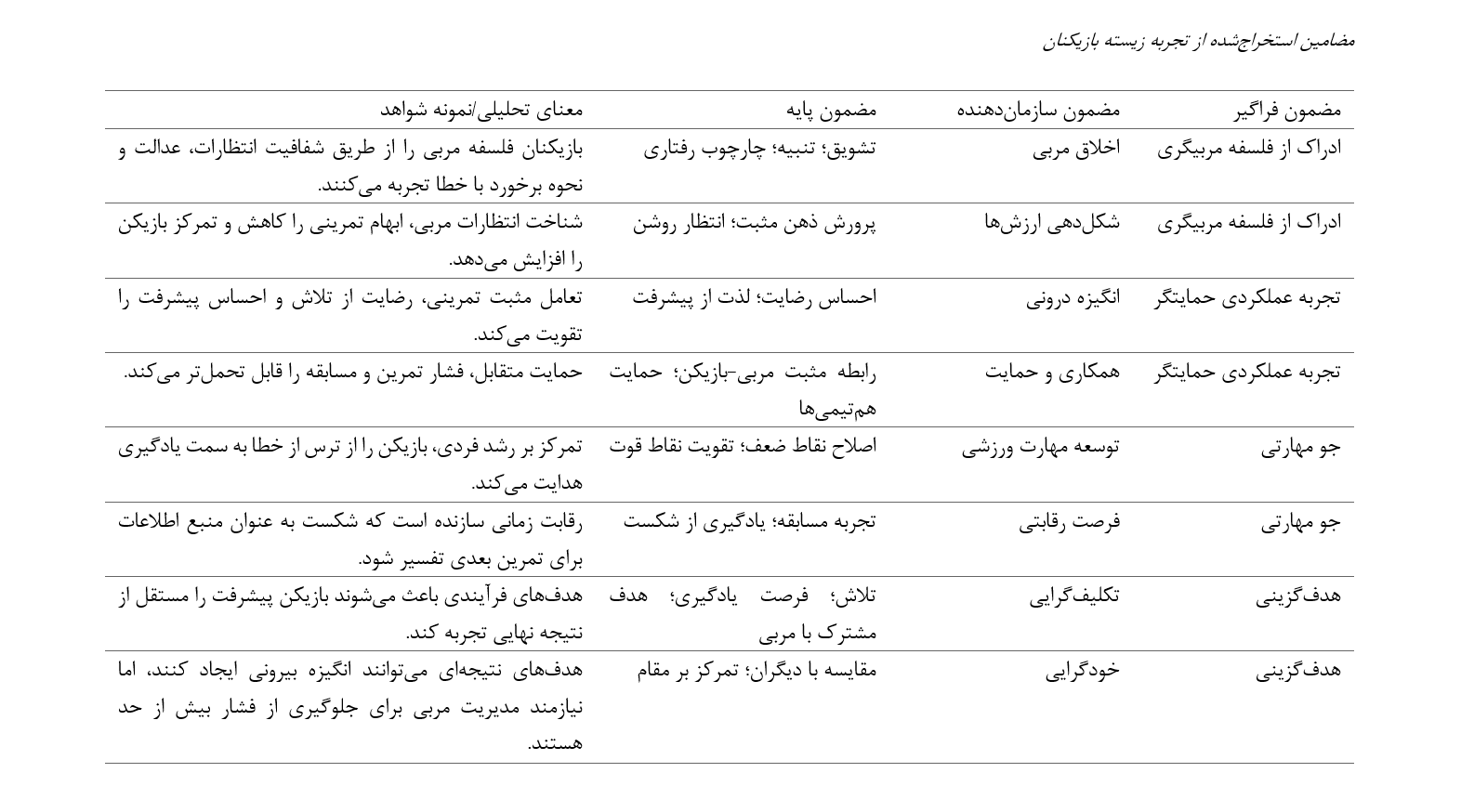
The purpose of this qualitative phenomenological study was to analyze coaches’ behaviors in the link between motivational climate and performance satisfaction among table tennis athletes. Seven table tennis coaches and 25 developing players were recruited through snowball sampling. Players were 14 to 18 years old and coaches were 30 to 40 years old. Data were collected through semi-structured interviews, transcribed verbatim, and analyzed using reflexive thematic analysis. Repeated reading, line-by-line coding, constant comparison, analytic memoing, and theme review were used to strengthen methodological rigor. The lived experiences of coaches were organized into five overarching themes: coaching philosophy, social support behavior, leadership style, motivational climate, and goal setting. The lived experiences of players were organized into four overarching themes: perceived coaching philosophy, performance climate, mastery climate, and goal setting. The findings indicate that coaches’ feedback, leadership style, social support, and goal-setting practices shape athletes’ perception of motivational climate, intrinsic motivation, performance satisfaction, and developmental pathway. Training coaches to use autonomy-supportive behaviors, mastery-oriented goals, and psychologically safe communication may improve the quality of practice environments and athletes’ satisfaction with performance.
The Effect of Artificial Intelligence-Based Learning on Emotional Creativity among High School Students
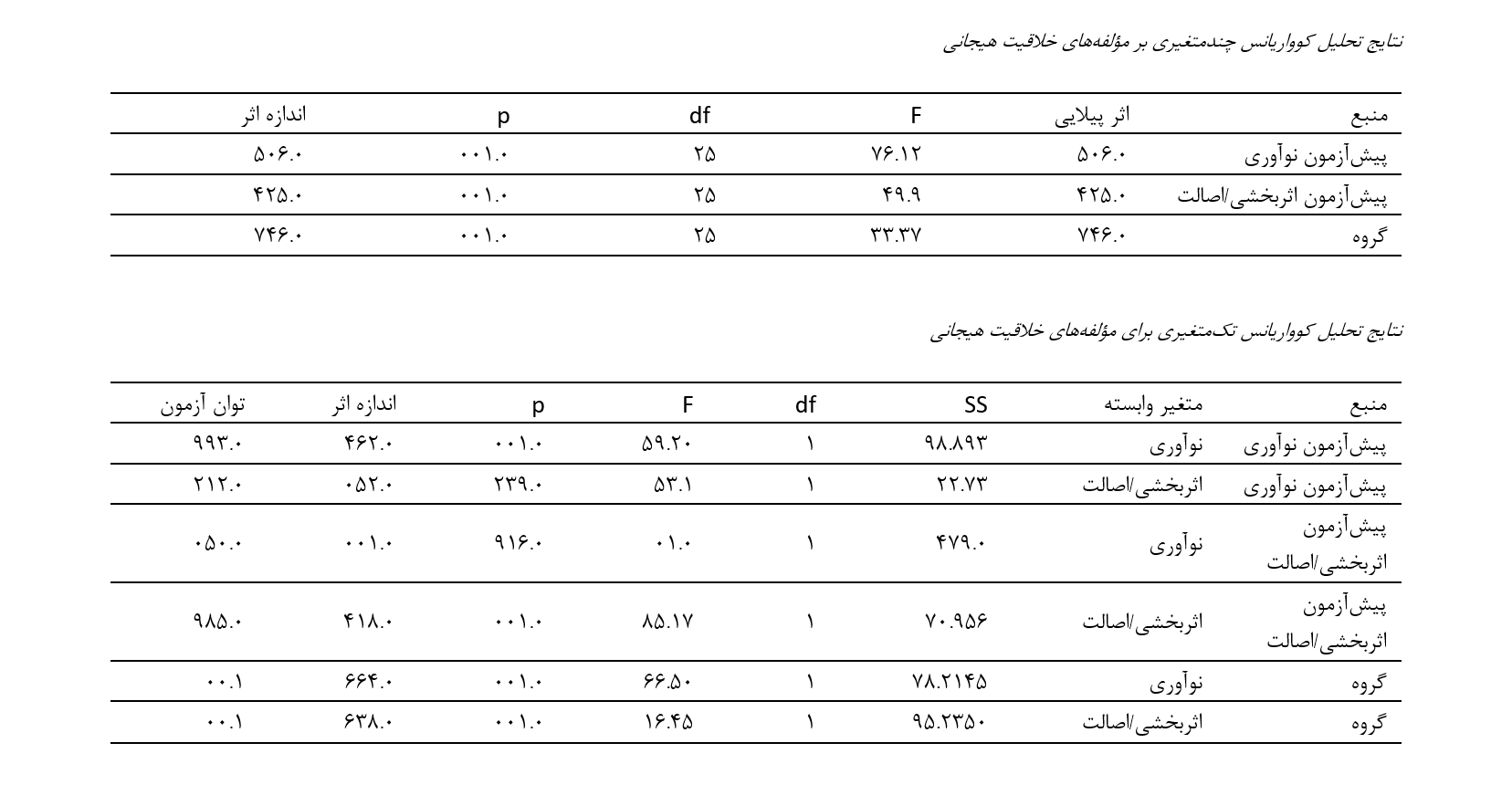
The present study aimed to examine the effect of artificial intelligence-based learning on emotional creativity among high school students. Methodologically, this study was quasi-experimental and used a pretest–posttest design with a control group. The statistical population consisted of male high school students who were studying during the 2024–2025 academic year. After initial screening using the Emotional Creativity Scale, 30 students who had obtained lower scores in emotional creativity were selected and randomly assigned to an experimental group and a control group, with 15 participants in each group. The experimental group participated in an artificial intelligence-based learning program over eight 90-minute sessions, whereas the control group received no intervention during this period. The research instrument was Averill’s Emotional Creativity Scale, and the data were analyzed using multivariate and univariate analysis of covariance. The results of the multivariate analysis of covariance showed that, after controlling for the effect of pretest scores, there was a significant difference between the two groups in the linear combination of the components of emotional creativity; specifically, Pillai’s trace for the group variable was 0.746, with F = 37.33, p = 0.001, and an effect size of 0.746. The results of the univariate analyses also indicated that artificial intelligence-based learning had a significant effect on increasing the novelty component; the adjusted mean of novelty was 86.24 in the experimental group and 70.05 in the control group, and the group effect was statistically significant, F = 50.66, p = 0.001, η² = 0.664. In addition, for the effectiveness/authenticity component, the adjusted mean was 100.31 in the experimental group and 82.44 in the control group, and the difference between the two groups was reported to be significant, F = 45.16, p = 0.001, η² = 0.638. Based on the findings, the purposeful and ethical use of artificial intelligence tools can be considered a novel approach to strengthening the creative and emotional aspects of learning among students. However, due to the limited sample size, the use of a self-report instrument, and the absence of a follow-up phase, the results should be interpreted with caution.
The Effectiveness of Compassion-Focused Therapy (CFT) on Improving Self-Esteem and Reducing Shame in Women with Social Anxiety
The present study aimed to investigate the effectiveness of Compassion-Focused Therapy (CFT) in improving self-esteem and reducing feelings of shame among women with social anxiety. The research method was quasi-experimental with a pretest–posttest design and a control group. The statistical population consisted of women presenting symptoms of social anxiety, and 40 participants who met the inclusion criteria were randomly assigned to experimental and control groups. The experimental group participated in eight 60-minute sessions of Compassion-Focused Therapy, while the control group received no intervention during this period. The research instruments included the Rosenberg Self-Esteem Scale, the Connor et al. Social Anxiety Questionnaire, and the State Shame and Guilt Scale. Data were analyzed using descriptive statistics and analysis of covariance in SPSS version 24. The findings indicated that Compassion-Focused Therapy significantly reduced feelings of shame, significantly decreased social anxiety, and significantly increased self-esteem in the experimental group compared to the control group. The effect sizes for shame, social anxiety, and self-esteem were reported as 0.39, 0.40, and 0.37, respectively. Accordingly, Compassion-Focused Therapy may play an effective role in improving the psychological components of women with social anxiety through reducing self-criticism, strengthening self-compassion, and enhancing emotional acceptance.
The Relationship Between Continuous Social Media Use and Working Memory Performance and Mindfulness in Young Adults
The present study aimed to examine the relationship between continuous social media use and working memory performance and mindfulness in young adults. In terms of purpose, this study was applied research, and in terms of methodology, it employed a descriptive-correlational and cross-sectional design. The statistical population consisted of active social media users aged 18 to 30 years, and 384 participants were included in the study based on Cochran’s formula and according to the inclusion and exclusion criteria. Data were collected using the n-back task to assess working memory, the Kentucky Inventory of Mindfulness Skills, and a researcher-developed questionnaire on continuous social media use. The reliability of the researcher-developed questionnaire was acceptable, with a Cronbach’s alpha coefficient of .73. Data were analyzed using SPSS software and Pearson correlation tests. The findings indicated that the intensity and volume of social media use had a significant negative relationship with working memory (r = −0.40, p < .001) and mindfulness (r = −0.27, p < .001). Patterns of use and type of activity also showed negative relationships with working memory (r = −0.30, p < .001) and mindfulness (r = −0.26, p < .001). Furthermore, behavioral dependence and compulsive use demonstrated significant negative correlations with working memory (r = −0.34, p < .001) and mindfulness (r = −0.30, p < .001). Overall, the results suggest that extensive, fragmented, and compulsive social media use may be associated with reduced working memory efficiency and diminished mindful attention to present-moment experiences. Accordingly, media literacy education, notification management, limiting non-purposeful use, and strengthening mindfulness skills may play an important role in preserving the cognitive and psychological health of young adults.
Comparing the effectiveness of acceptance and commitment therapy (ACT) and cognitive-behavioral therapy in patients with treatment-resistant depression
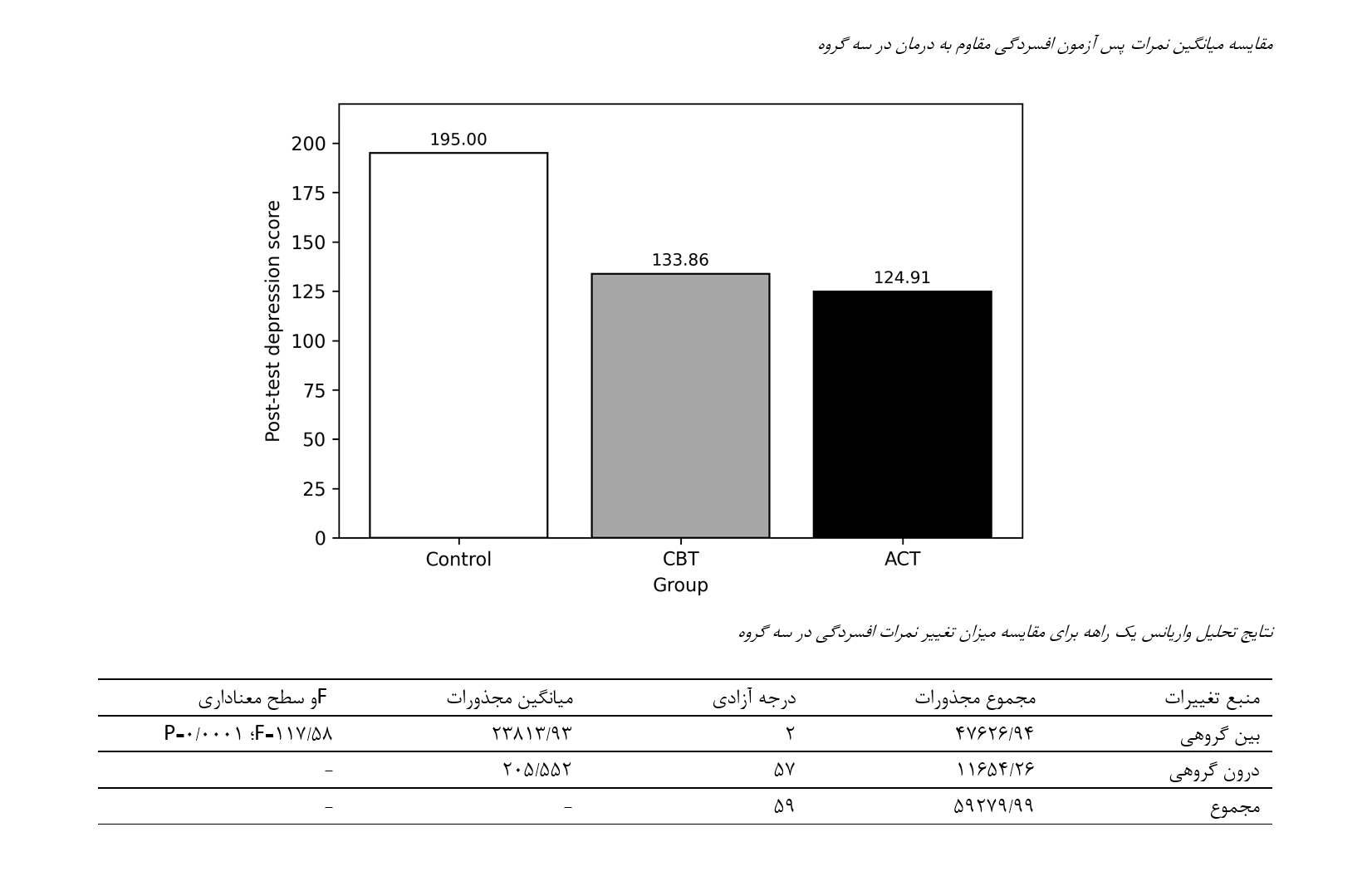
The aim of the present study is to compare the effectiveness of acceptance and commitment therapy (ACT) and cognitive-behavioral therapy in patients with treatment-resistant depression. The statistical population of the present study is all adult patients referred to psychiatric clinics in Tehran who have received at least two courses of standard drug treatment for depression and still have symptoms of depression. A total of 60 people were selected as a sample purposefully and were randomly assigned to 3 groups of acceptance and commitment therapy, cognitive-behavioral therapy, and control in equal numbers. The research instrument is the Beck Depression Inventory, Second Edition (BDI-II). Each person in the experimental group was subjected to acceptance and commitment therapy and cognitive-behavioral therapy. Analysis of the findings shows that acceptance and commitment therapy and cognitive-behavioral therapy are effective in reducing treatment-resistant depression. There is no significant difference between cognitive-behavioral therapy and acceptance and commitment psychotherapy. Also, acceptance and commitment psychotherapy is more effective in reducing treatment-resistant depression in women than in men.
بررسی ناهنجاریهای بدنی دانشآموزان دختر و پسر مقطع متوسطه دوره دوم منطقه 12 شهر تهران
ﻫﺪﻑ ﺍﺯ ﺗﺤﻘﻴﻖ ﺣﺎﺿﺮ ﺑﺮﺭﺳﻲ ﻧﺎﻫﻨﺠﺎﺭﻱﻫﺎﻱ بدنیﺩﺍﻧﺶﺁﻣﻮﺯﺍﻥ دختر و ﭘﺴر ﻣﻘﻃﻊ متوسطه دوره دوم منطقه 12 شهر تهران بود. ﭘﮋﻭﻫﺶ ﺣﺎﺿﺮ ﺍﺯ ﻧﻮﻉ ﺗﻮﺻﻴﻔﻲ ﻭ ﻣﻘﻄﻌﻲ بود. در این تحقیق ﺗﻌﺪﺍﺩ 200 ﺁﺯﻣﻮﺩﻧﻲ ﺑﻪ ﻋﻨﻮﺍﻥ ﻧﻤﻮﻧﻪ شرکت داشتند، ﺑﻪ ﺻﻮﺭﺕ ﺧﻮﺷﻪﺍﻱ ـ ﺗﺼﺎﺩﻓﻲ ﻭ ﺩﺍﻭﻃﻠﺒﺎﻧﻪ انتخاب شدند. ﺑﺎ ﺍﺳﺘﻔﺎﺩﻩ ﺍﺯ ﺻﻔﺤﻪﻱ ﺷﻄﺮﻧﺠﻲ ﻭ ﺁﺯﻣﻮﻥ ﻧﻴﻮﻳﻮﺭﻙ، ﻭﺿﻌﻴﺖ ﻗﺎﻣﺘﻲ ﺁﺯﻣﻮﺩﻧﻲﻫﺎ ﺍﺯ ﺳﻪ ﻧﻤﺎﻱﺟﺎﻧﺒﻲ، ﺧﻠﻔﻲ ﻭﻗﺪﺍﻣﻲ ﺍﺭﺯﻳﺎﺑﻲ ﺷﺪ. ﻧﺘﺎﻳﺞ ﺍﻳﻦ ﺗﺤﻘﻴﻖ ﻧﺸﺎﻥ ﺩﺍﺩ ﻛﻪ 50 ﺩﺭﺻﺪ ﭘﺴﺮﺍﻥ و ۷۰ درصد دختران ﺩﺍﺭﺍﻱ ﻧﺎﻫﻨﺠﺎﺭﻱ ﻗﺎﻣﺘﻲ بودند. ﻣﻴﺰﺍﻥ ﺷﻴﻮﻉ ﺍﺳﻜﻮﻟﻴﻮز در پسران ﺷﺎﻳﻊﺗﺮ بود. ﺩﺭ ﺻﻮﺭﺗﻲ ﻛﻪ ﺍﻓﺘﺎﺩﮔﻲ ﺷﺎﻧﻪ، ﻛﻴﻔﻮﺯ، ﻟﻮﺭﺩﻭﺯ، ﺯﺍﻧﻮﻱ ﺿﺮﺑﺪﺭﻱ، ﺯﺍﻧﻮﻱ ﭘﺮﺍﻧﺘﺰﻱ، ﻛﻒ ﭘﺎﻱ ﺻﺎﻑ ﻭ ﺍﻧﮕﺸﺖ ﺷﺴﺖ ﻛﺞ ﺩﺭ ﺑﻴﻦ ﺩﺧﺘﺮﺍﻥ ﺷﺎﻳﻊﺗﺮ بود. ﺍﺧﺘﻼﻑ ﻓﺮﺍﻭﺍﻧﻲﻫﺎ ﺑﻴﻦ ﺩﺧﺘﺮﺍﻥ ﻭ ﭘﺴﺮﺍﻥ ﺩﺭ ﺳﻄﺢ 01/۰P ﻣﻌﻨﻲﺩﺍﺭ ﺑﻮﺩ. ﻫﻢﭼﻨﻴﻦ ﺑﻴﻦ ﺩﺧﺘﺮﺍﻥ ﻭ ﭘﺴﺮﺍﻥ ﺩﺭ ﺍﺑﺘﻼ ﺑﻪ ﻧﺎﻫﻨﺠﺎﺭﻱﻫﺎﻳﻲ ﻣﺎﻧﻨﺪ ﭘﺸﺖ ﺻﺎﻑ ﻭ ﻋﺎﺭﺿﻪ ﺳﺮ ﺑﻪ ﺟﻠﻮ، ﺍﺧﺘﻼﻑ ﻣﻌﻨﻲﺩﺍﺭﻱ ﻣﺸﺎﻫﺪﻩ ﻧﺸﺪ. ﺩﺭ ﻧﺘﻴﺠﻪ، ﺑﺎ ﺗﻮﺟﻪ ﺑﻪ ﺷﻴﻮﻉ ﺑﺎﻻﻱ ﻧﺎﻫﻨﺠﺎﺭﻱﻫﺎﻱ ﻗﺎﻣﺘﻲ ﺩﺭ ﻣﻴﺎﻥ ﺩﺍﻧﺶﺁﻣﻮﺯﺍﻥ، ﺗﻮﺟﻪ ﺟﺪﻱ ﺑﻪ ﻓﺮﺍﻫﻢ ﻛﺮﺩﻥ ﺯﻣﻴﻨﻪﻫﺎﻱ ﻻﺯﻡ ﺑﺮﺍﻱ ﺍﺻﻼﺡ ﻧﺎﻫﻨﺠﺎﺭﻱﻫﺎ ﺿﺮﻭﺭﻱﺑﻪ ﻧﻈﺮ ﻣﻲﺭﺳﺪ.
About the Journal
Longevity aims to advance the scientific understanding and practical application of strategies to extend human lifespan and healthspan. By publishing rigorous, peer-reviewed research, the journal seeks to become a leading platform for disseminating knowledge that bridges basic science, clinical research, public health, and social sciences. Longevity is dedicated to fostering interdisciplinary collaboration and innovation to tackle the complexities of aging and promote healthy living across the lifespan.