بررسی رابطه بلوغ عاطفی و طلاق عاطفی در زنان متأهل شهر تبریز: یک مطالعه توصیفی-همبستگی
کلمات کلیدی:
بلوغ عاطفی , طلاق عاطفی, زنان متأهل, تبریز, همبستگیچکیده
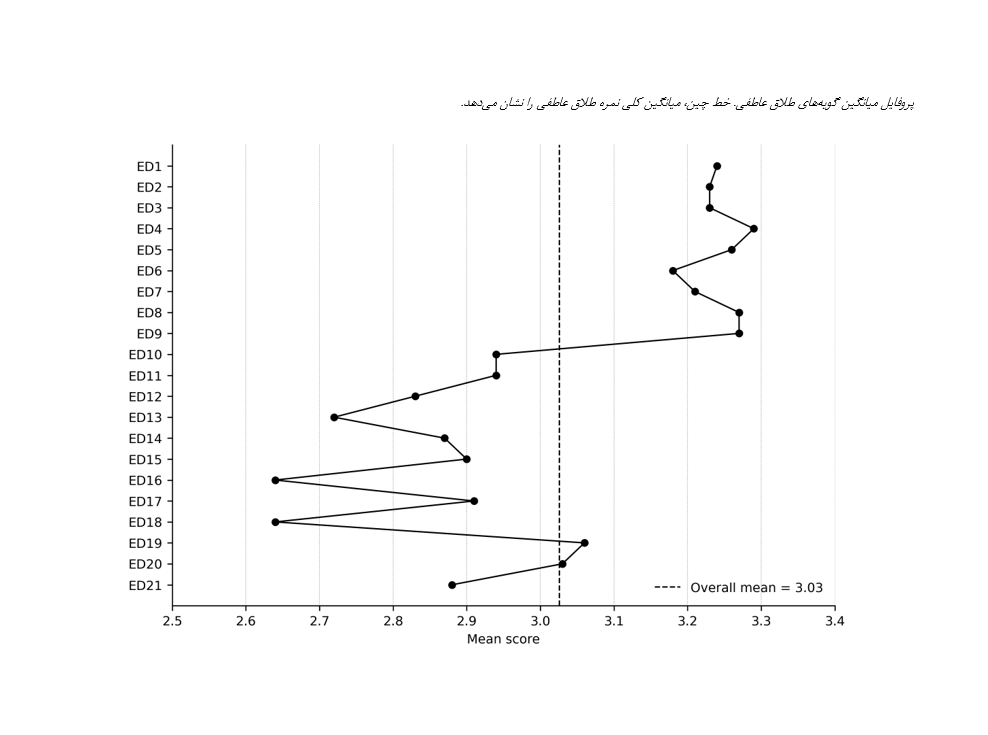
هدف پژوهش حاضر بررسی رابطه بلوغ عاطفی با طلاق عاطفی در زنان متأهل شهر تبریز و تعیین سهم متغیرهای پیشبین در تبیین تغییرات طلاق عاطفی بود. این پژوهش از نظر هدف، کاربردی و از نظر روش، توصیفی-همبستگی بود. جامعه آماری پژوهش را زنان متأهل ساکن شهر تبریز تشکیل دادند که از میان آنان 100 نفر بهعنوان نمونه پژوهش انتخاب شدند. دادهها با استفاده از مقیاس بلوغ عاطفی سینگ و بهارگاوا و پرسشنامه طلاق عاطفی گاتمن گردآوری شد. برای تجزیهوتحلیل دادهها از شاخصهای آمار توصیفی شامل میانگین و انحراف معیار و در بخش استنباطی از ضریب همبستگی پیرسون و تحلیل رگرسیون خطی چندگانه استفاده شد. نتایج آمار توصیفی نشان داد که میانگین نمره طلاق عاطفی در شرکتکنندگان 3/03 و انحراف معیار آن 0/44 بود. نتایج تحلیل رگرسیون نشان داد که مدل کلی پیشبینی طلاق عاطفی از نظر آماری معنادار است و متغیرهای واردشده به مدل در مجموع 8/3 درصد از واریانس طلاق عاطفی را تبیین میکنند. (R=0/288، R²=0/083، F(2,97)=4/396، p=0/015). با وجود معناداری مدل کلی، بلوغ عاطفی پس از کنترل سایر متغیرهای پیشبین، اثر معناداری بر طلاق عاطفی نداشت (β=0/107، t=1/104، p=0/272). در مقابل، نتایج مدل نشان داد که برخی عوامل رفتاری و ارتباطی، از جمله اعتیاد به فضای مجازی، ممکن است در تبیین طلاق عاطفی نقش برجستهتری داشته باشند. در مجموع، یافتهها نشان میدهند که طلاق عاطفی پدیدهای پیچیده و چندعاملی است و نمیتوان آن را صرفاً بر اساس یک ویژگی درونفردی مانند بلوغ عاطفی تبیین کرد. بنابراین، پیشنهاد میشود در مطالعات آینده، نقش همزمان متغیرهایی مانند کیفیت ارتباط زوجین، رضایت زناشویی، سبک دلبستگی، مهارت حل تعارض، شرایط اقتصادی و الگوی استفاده از فضای مجازی بررسی شود.
مراجع
Abdollahi, M. (2013). Emotional Divorce: Concepts and Symbols. Journal of Family Studies.
Ahmadvand, M. A., Ahmadvand, P., & Babaee, Z. (2017). Reduced Quality of Life and Marital Trust in Emotional Divorce.
Al-Ubaidi, B. A. (2017). The psychological and emotional stages of divorce. Family Medicine and Disease Prevention, 3(3), 6. https://doi.org/10.23937/2469-5793/1510060
Alagband, L., Pasha Sharifi, H., Farzad, V., & Aghayousefi, A. (2019). A Model for Predicting Emotional Divorce Based on Emotional Literacy, Coping Styles, Quality of Life, and Sensation Seeking With the Mediation of Emotion Regulation. https://www.sid.ir/paper/51578/fa
Alagband, L., Sharifi, H. P., Farzad, V., & Aghayousefi, A. (2020). Prediction of Emotional Divorce Based on Emotional Literacy, Coping Styles, Quality of Life, and Sensation Seeking With the Mediation of Resilience. https://www.sid.ir/paper/93101/fa
Arjmand Siahpoosh, E., & Piramoon, N. (2014). A Pathological Study of Emotional Divorce From Women's Perspectives and Its Consequences on Children. https://www.sid.ir/paper/170106/
Azimi, N., Hosseini, S. S., Arefi, M., & Parandin, S. (2019). The Mediating Role of Psychological Hardiness in the Relationship Between Conflict Resolution Styles and Emotional Divorce. https://psychologicalscience.ir/article-1-562-fa.html
Azimi Rosta, M., & Abedzadeh Nobaryan, M. (2013). Factors Affecting the Incidence of Emotional Divorce Among Couples. https://www.sid.ir/paper/504015/
Bahari, F., & Bahrami, F. (2008). The Effectiveness of Communication Skills Training for Couples on Marital Conflict Resolution. https://www.sid.ir/paper/496714/fa
Bokharaei, A. (2007). Sociology of Silent Lives in Iran: Emotional Divorce. Pajvak-e Jame-e. https://www.gisoom.com/book/1435332/
Gottman, J. M., & Levenson, R. W. (2000). The timing of divorce: Predicting when a couple will divorce over a 14-year period. Journal of Marriage and Family, 62(3), 737-745. https://doi.org/10.1111/j.1741-3737.2000.00737.x
Hashemi, S. F., & Asghari Ebrahimabad, M. J. (2016). The Role of Emotional Literacy in Predicting Emotional Divorce Through the Mediation of Conflict Resolution. https://www.noormags.ir/view/en/articlepage/1846286/
Imani, R., & Moheb, N. (2020). The Relationship Between Mothers' Emotional Maturity and Children's Behavioral Disorders. https://www.sid.ir/paper/206242/fa
Nichols, M. P. (2012). Family therapy: Concepts and methods. Pearson Higher Ed. https://www.pearson.com/en-us/subject-catalog/p/family-therapy-concepts-and-methods/P200000001566/9780136911814?srsltid=AfmBOopay-gcDomXEX2PvN1sJRI5PifxBasitYnc-3gBO6CazV9AEhWa
Osorio-Molina, C., Martos-Cabrera, M. B., Membrive-Jiménez, M. J., Vargas-Román, K., Martos, N. S., Ortega-Campos, E., & Gómez-Urquiza, J. L. (2020). Smartphone addiction, risk factors and its adverse effects in nursing students: A systematic review and meta-analysis. Nurse Education Today, 104, 104741. https://doi.org/10.1016/j.nedt.2020.104741
دانلود
گاهشمار انتشار
- ارسال
- بازنگری
- پذیرش
شماره
نوع مقاله
مجوز
حق نشر 2025 ثنا آذری

این پروژه تحت مجوز بین المللی Creative Commons Attribution-NonCommercial 4.0 می باشد.